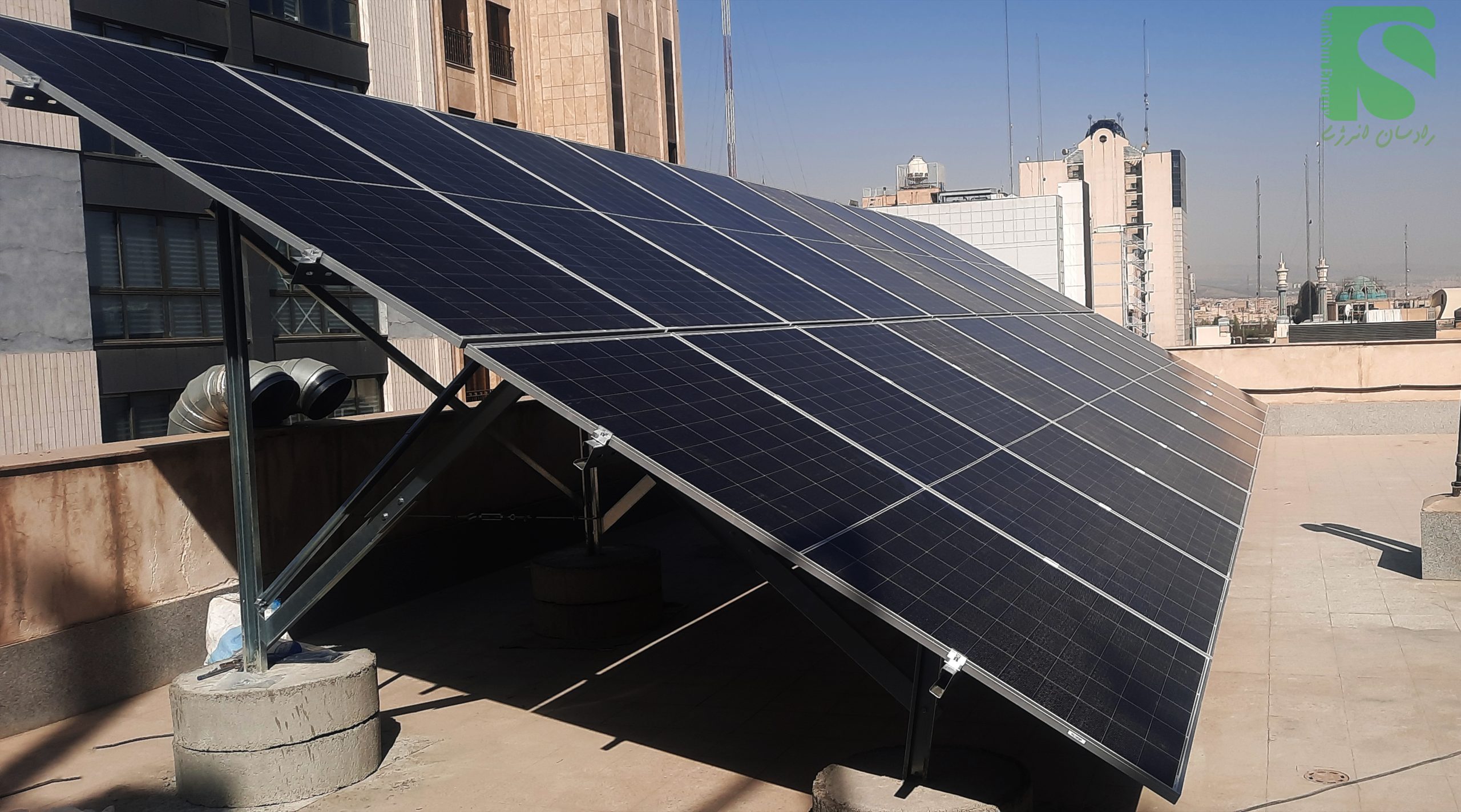
Today,
photovoltaic (PV) solar systems have become one of the most important solutions for generating clean and sustainable energy. With the growing attention to renewable energy,
proper solar panel installation and compliance with technical standards play a crucial role in improving system efficiency, safety, and lifespan.
In a solar power system, simply purchasing panels and an inverter is not enough.
Structural design, correct equipment selection, proper electrical connections, compliance with electrical standards, and system performance monitoring all directly affect the final quality of the project. Therefore, understanding PV installation requirements is essential for engineers, contractors, technicians, and even project owners.
Importance of Standards in PV Installation
One of the most critical parts of any solar project is following proper design and installation standards. During the design stage, factors such as
mounting structure design, rooftop installation considerations, and grounding requirements must be carefully evaluated. Applying recognized standards at this stage helps prevent issues such as structural damage, performance loss, or safety risks.
In terms of equipment, standards related to
solar module safety, quality testing, resistance to humidity, salt, dust, and harsh environmental conditions are extremely important. Solar panels must be able to withstand real environmental conditions and maintain reliable performance over the long term.
Key Components in PV Solar Installation
To implement a standard photovoltaic system, selecting the right components is essential. The most important parts include:
- PV solar modules
- Grid-connected inverter
- Mounting structures and racking systems
- DC connectors and cables
- Grounding and electrical protection systems
- Monitoring and performance control equipment
Each of these components must be selected and installed according to technical standards to ensure maximum efficiency and minimal operational risk.
Important Standards for Solar Panel Design and Installation
The reference document introduces several technical standards related to the design and implementation of solar PV systems. Some of the most important ones include the following:
- Structural Design and Mounting Standards
This section focuses on the design of mounting structures for solar arrays, rooftop installation requirements, and structural safety considerations. Following these standards ensures that solar panels remain stable against wind loads, mechanical stress, and environmental conditions.
- Solar Module Safety Standards
PV modules must be certified in terms of construction quality and safety. Tests related to resistance against salt corrosion, ammonia exposure, dust, and environmental stress play a major role in selecting suitable solar panels.
- Grid‑Connected Inverter Standards
The inverter is one of the most critical components in a solar power system. Factors such as
conversion efficiency, power electronics safety, anti‑islanding protection, electromagnetic compatibility, and grid connection features must be evaluated when selecting and installing an inverter.
- Cabling and Electrical Connection Standards
The quality of cables and connectors directly affects system safety and performance. Using proper PV-rated cables, standard DC connectors, and correctly installed electrical connections helps prevent energy losses and electrical hazards.
Importance of Grid Connection and Electrical Safety
In grid-connected solar systems, issues such as
grid synchronization, prevention of islanding operation, and compliance with protective requirements are extremely important. These factors affect not only user safety but also the stability of the electrical grid and the reliable operation of the system.
According to technical standards, parameters such as
voltage, current, short‑circuit protection, automatic disconnection devices, and EMC requirements must be carefully considered to ensure safe and stable system operation under various conditions.
Monitoring the Performance of Solar Systems
One of the most important steps after installation is
monitoring and evaluating the performance of the PV system. By using standardized monitoring methods, the actual capacity, generated energy, and overall system efficiency can be assessed.
Continuous monitoring helps detect performance losses, equipment failures, and maintenance requirements, ensuring that the solar investment operates efficiently over time.
Why Proper Solar Installation Matters
Improper installation can lead to several problems, including:
- Reduced energy production efficiency
- Increased electrical losses
- Damage to modules and cables
- Safety risks for users and operators
- Reduced system lifespan
For this reason, professional installation based on recognized standards is both a technical and economic necessity.
Conclusion
Installing PV solar systems is not simply a basic technical task. It is a specialized process that includes
structural design, module selection, cabling, grid connection, and performance monitoring. Following internationally recognized standards throughout all stages ensures
safety, durability, and high system efficiency.
If you plan to work in the field of
solar panel installation, solar power plant design, or photovoltaic system implementation, understanding installation and design standards will be a valuable competitive advantage.